
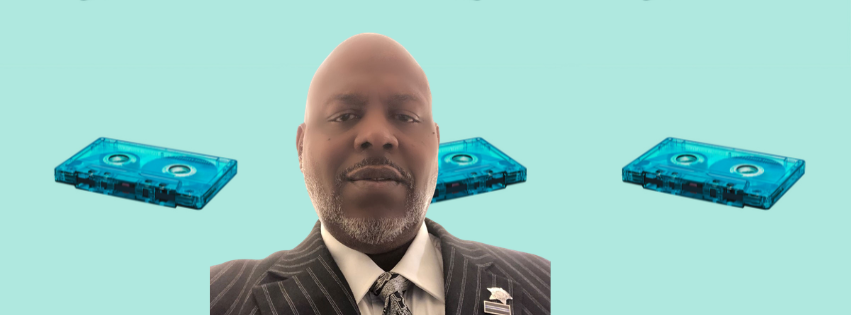
The Quiet Architects of Sound: Big Corn and the Guardians of Music Culture
For Immediate Release
Dallas, Texas – April, 13, 2026 – In today’s music economy where viral moments can eclipse decades of artistry and algorithms increasingly dictate discovery it is easy to overlook the human voices that have long served as the cultural stewards of music. Radio hosts, DJs, and curators have historically played a quiet but powerful role in shaping how audiences encounter new sounds. Among them is Cornell “Big Corn” Bethea, a broadcaster whose work over the years has helped introduce countless artists to listeners who might otherwise never have discovered them.
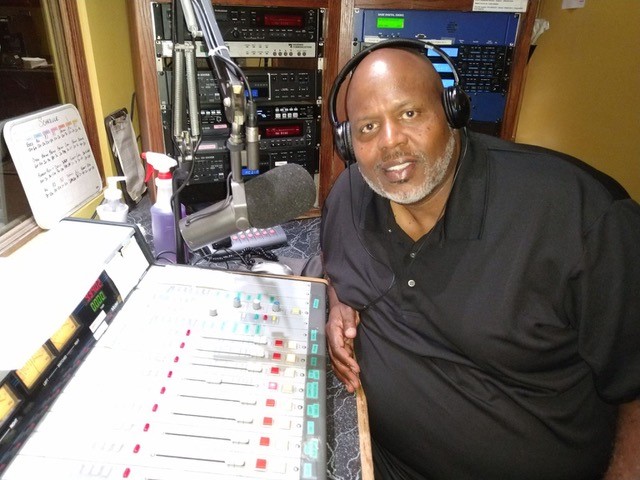
For many fans of contemporary and smooth jazz, Big Corn is the voice behind The Smooth Jazz Cafe, a weekly program that blends classic jazz sensibilities with modern instrumentation and emerging talent. What appears on the surface to be a simple radio show is, in reality, part of a much larger story about the invisible network of people who sustain musical culture.
This is not just a story about a radio host. It is a story about the caretakers of music itself.
A Voice That Found Its Calling
The path into broadcasting for Big Corn began in Chicago in the early 1990s. What started as a radio contest entry quickly became something more permanent. After participating in a local station promotion, he was invited to co-host a late-night program. Program directors recognized his natural ability behind the microphone, his voice steady, his tone conversational, and his understanding of music instinctive.
That moment opened the door to radio, but it also introduced him to a responsibility that many hosts come to understand over time: the power to shape what people hear.
Standing 6’4″, Bethea earned the nickname “Big Corn,” a playful combination of his name and presence. Yet the name soon became associated with something deeper than personality. Listeners began to trust his ear for music.
Over time, that trust would translate into something that many artists rely on: exposure.
The Smooth Jazz Cafe
Through The Smooth Jazz Cafe, Big Corn created a space dedicated to contemporary jazz, soul-influenced instrumentals, and timeless jazz recordings. Broadcast on internet radio stations and streamed globally, the show reflects a philosophy rooted in the traditions of DJs who once literally dug through crates of vinyl records searching for the next track to share.
But the program is more than a playlist.
Each episode blends storytelling with music, introducing new artists, revisiting overlooked classics, and providing context that algorithms rarely provide. The effect is something closer to cultural preservation than simple broadcasting.
Listeners tune in for the music, but they stay for the experience of discovery.
The Story Within the Story
What many listeners may not realize is that behind every track played on shows like The Smooth Jazz Cafe is an artist hoping to be heard.
Over the years, Big Corn has become known among independent musicians as someone willing to give their work a chance. For emerging jazz artists, particularly those without major label backing, radio exposure can be transformative. A single spin can introduce their music to listeners across multiple countries.
In many cases, these moments go unnoticed by the wider industry.
Artists remember them.
Musicians frequently describe the impact of hearing their work on the radio for the first time. It represents validation, visibility, and the possibility that their music is reaching audiences beyond their immediate circle.
Through his programming, Big Corn has helped create those moments for countless performers.
Yet the people who enable those breakthroughs, the hosts, DJs, and curators, rarely become the focus of the story themselves.
That is beginning to change.
Recognition for the Stewards
Within music communities, there is growing recognition that figures like Big Corn play a vital role in sustaining genres that rely on dedicated audiences.
Jazz in particular has always depended on passionate advocates: radio hosts who champion new artists, DJs who maintain local scenes, and curators who connect generations of musicians and listeners.
Without them, the ecosystem weakens.
Over time, respect for Big Corn’s work has grown not only among listeners but also among artists and fellow broadcasters who recognize the importance of the role he occupies. His platform has become part of the connective tissue of the genre, linking performers, fans, and musical history.
In many ways, his career illustrates a broader truth about music culture:
Great music does not travel alone. It travels through people.
The Human Element in an Algorithmic Era
The importance of curators like Big Corn has become even more pronounced in the digital age.
Today, artificial intelligence can generate music, streaming platforms can recommend songs based on listening patterns, and social media can expose audiences to thousands of tracks within minutes. Discovery has never been easier and paradoxically, it has never been more crowded.
The result is a phenomenon many artists describe as oversaturation.
Millions of songs are released each year. Social platforms reward speed and frequency. Algorithms prioritize engagement metrics rather than artistic context.
In that environment, human curators provide something machines cannot easily replicate: taste, judgment, and narrative.
A radio host who introduces a track can explain why it matters, how it connects to the lineage of a genre, and what listeners should listen for within the music. This framing transforms a song from background audio into a shared cultural experience.
It is the difference between consumption and appreciation.
The Guardians of Musical Memory
Historically, DJs and radio hosts have played a critical role in shaping music culture. They helped break genres like rhythm and blues, rock, and hip-hop by exposing audiences to sounds that mainstream channels initially ignored.
Even in the internet era, that role continues often in quieter but equally meaningful ways.
Programs like The Smooth Jazz Cafe act as bridges between generations of listeners. A show might introduce a new instrumentalist one moment and follow it with a classic track from decades earlier, illustrating the lineage of the music.
This continuity is essential for genres like jazz, where tradition and innovation exist in constant dialogue.
In this sense, curators are not simply broadcasters.
They are guardians of musical memory.
The Enduring Voice of Radio
For Big Corn, the mission has always been simple: play great music and connect people to it.
Yet the cumulative effect of that mission, week after week, year after year, has been far larger than any single broadcast.
He has helped artists reach audiences.
He has helped listeners discover new sounds.
And he has contributed to preserving a musical culture that thrives on passion and community.
As artificial intelligence reshapes creative industries and social media accelerates the pace of cultural change, figures like Big Corn represent something enduring.
They remind us that behind every song worth hearing is someone willing to champion it.
Sometimes the most important voices in music are not the ones on stage, but the ones guiding listeners toward the music in the first place.
For more on Big Corn and The Smooth Jazz Cafe, visit: the-smooth-one.com
Heard every Sunday at 9PM CST
Broadcasting simultaneously on two internet radio stations www.wosdradio.com & www.wvrvibe.com
Keymark Television is a dynamic multimedia platform committed to highlighting the stories, artistry, and achievements of creators, entrepreneurs, and cultural innovators across the globe. Through exclusive interviews, original programming, and special features, Keymark Television delivers compelling content that informs, inspires, and connects audiences worldwide. The television and media network partners with both established and emerging voices, bridging entertainment and empowerment through storytelling that leaves a lasting mark.
Contact:
Communications Department
Keymark Television Network
communications@keymarktelevision.com
www.keymarktelevision.com