
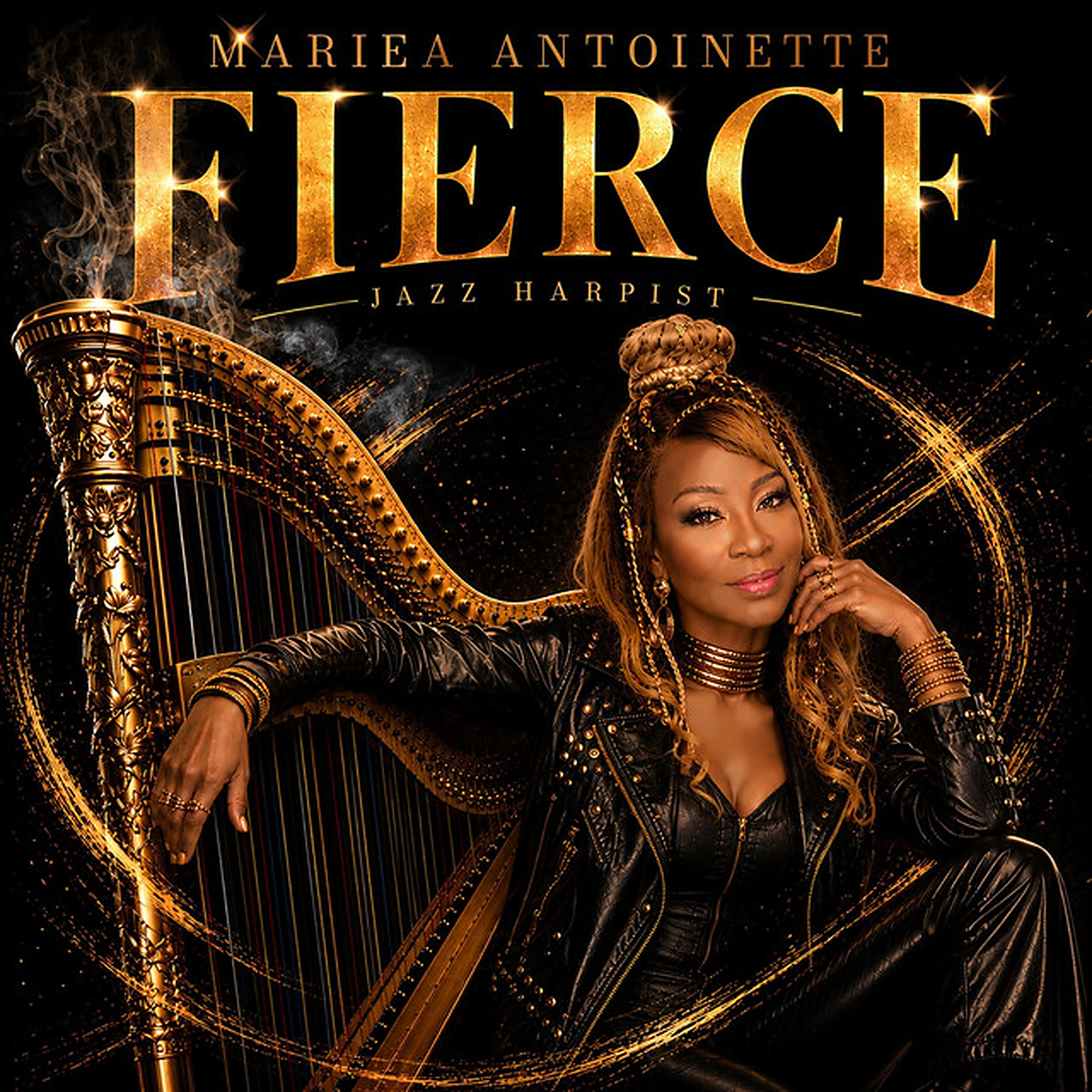
Fierce: Mariea Antoinette Brings the Harp to the Forefront
There is already plenty written about Mariea Antoinette.
Read her biography and the accomplishments establish themselves quickly. The classically trained San Diego musician studied at the University of California, San Diego before pursuing advanced harp studies at the University of Arizona. She has performed at Walt Disney Concert Hall, the Playboy Jazz Festival at the Hollywood Bowl, the BET Awards, Capital Jazz Festival, Long Beach Jazz Festival and other major stages. She has toured internationally, performed for President Barack Obama and First Lady Michelle Obama, and built a recording career that has repeatedly placed her music on contemporary jazz charts. Her “Overture” held the No. 1 position for 13 weeks, while “Afrika” reached No. 1 on the Smooth Jazz Global Top 100 for two consecutive weeks.
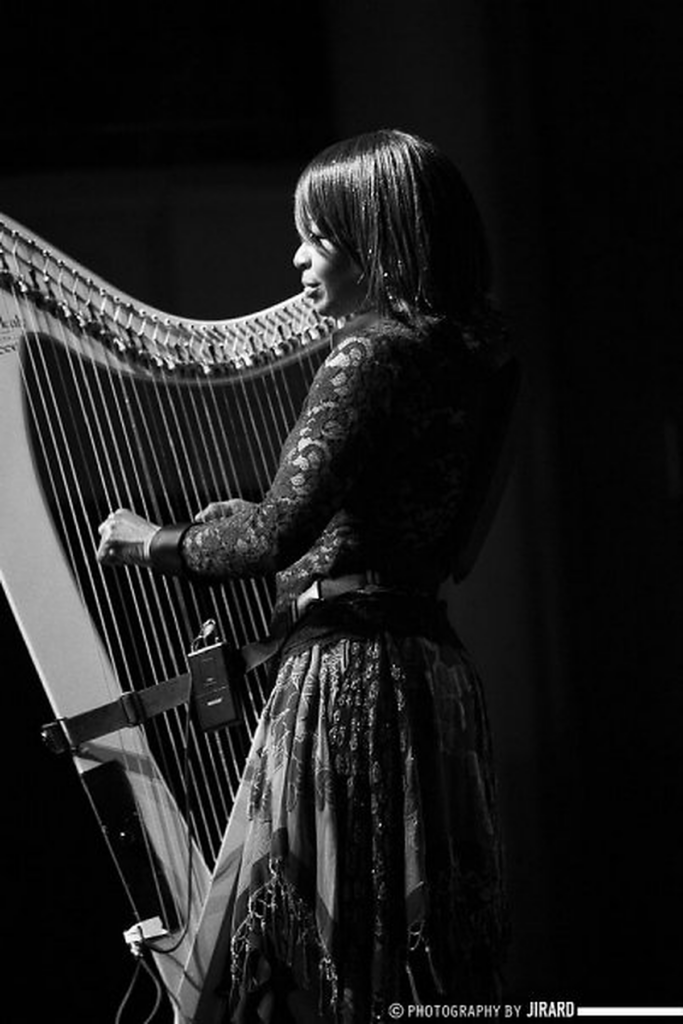
Search her name and there are stories about the unusual path she has carved as a jazz harpist. Open a streaming service and there is an established catalog waiting: “Give Me Your Love,” “Overture,” “So Amazing,” “That Thing,” “Loving You” and more. So perhaps the more interesting question in 2026 isn’t what Mariea Antoinette has already accomplished.
It is: What does she do next?
The answer, at least for the moment, is Fierce.
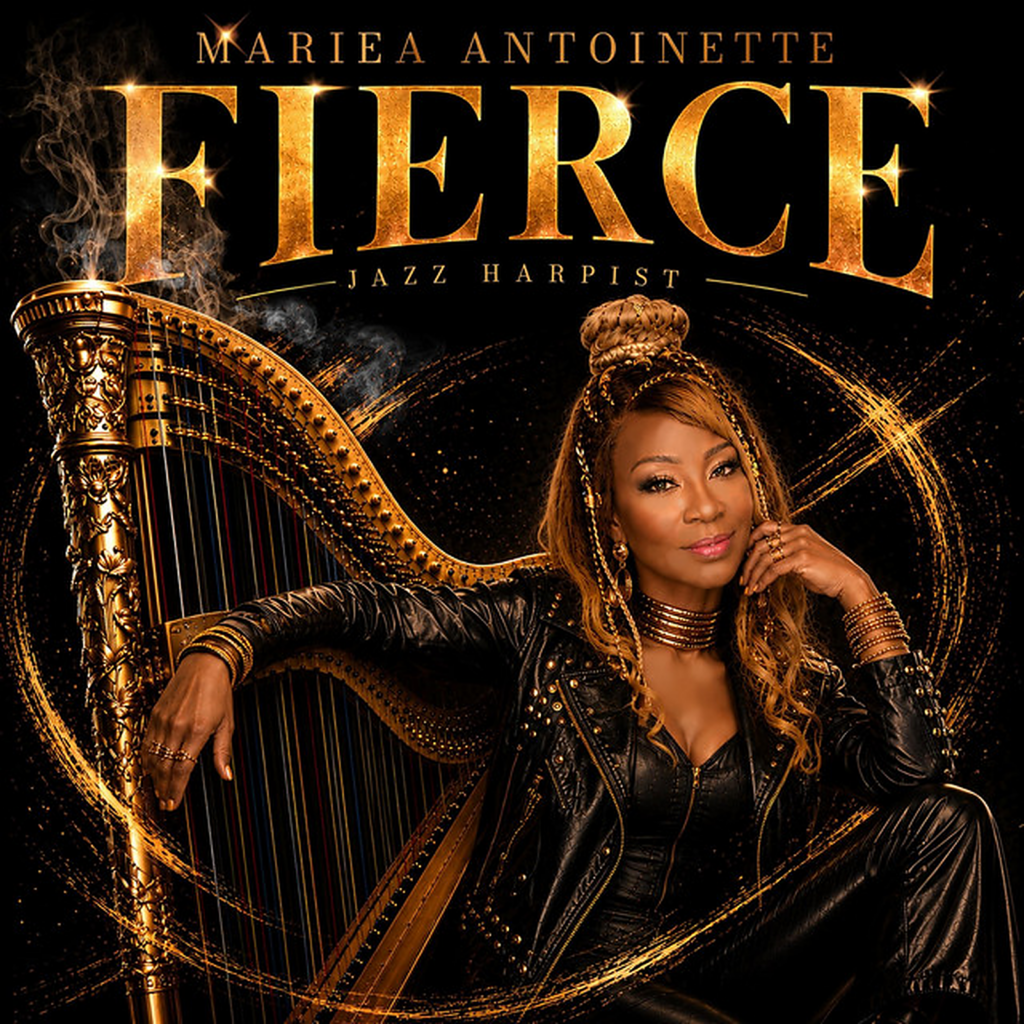
Released July 31, “Fierce” is the latest single from her forthcoming fourth album of the same name. The recording brings together smooth jazz, contemporary R&B, rock and urban influences, continuing Antoinette’s longstanding effort to move the harp beyond the places audiences traditionally expect to encounter it.
That mission has been central to her career. Antoinette isn’t attempting to make listeners appreciate the harp by asking them to enter the instrument’s traditional world. She has increasingly brought the harp into theirs. The harp carries centuries of history and an unmistakable elegance, but in popular culture it is still often associated with classical music, orchestras, ceremonies and moments of delicacy. Antoinette approaches those expectations differently. She has built her contemporary work around jazz, soul, funk and R&B, treating the instrument not as ornamentation behind the music but as a commanding lead voice within it. Her own biography describes that objective explicitly: transforming the harp from a classical background instrument into a bold contemporary voice.
With “Fierce,” the title seems particularly appropriate. There is nothing tentative about the performance. The natural softness and beauty of the harp remain, but Antoinette plays against those expectations with an assertiveness that demands attention. She does not abandon what makes the instrument distinctive; she uses those qualities while attacking the boundaries traditionally placed around it. In that sense, Fierce describes pursuit. There is a certain audacity required to devote a career to convincing audiences that an instrument belongs somewhere they may not expect it. Doing it once can be novelty. Continuing to do it across albums, stages and years requires something considerably more durable: conviction.
Antoinette’s previous single “Afrika” demonstrated another part of that evolution. The recording reached No. 1 and brought together a full contemporary ensemble around her harp, including drums, bass, guitar, horns, strings and vocals. Yet what made “Afrika” particularly effective was that it didn’t feel as though the listener needed a special occasion to hear it. It could simply become part of the day. That may be one of Antoinette’s most consequential achievements. She is making the harp everyday music. Music for the drive. Music playing through the house. Music for dinner. Music accompanying a Saturday afternoon. Music that finds its way into the ordinary soundtrack of life without requiring the listener to stop and consider that the lead instrument happens to be a harp.
“Fierce” advances that idea from another direction. Where “Afrika” could settle naturally into the day, “Fierce” announces itself. It has movement, confidence and force. The instrument that can whisper is being asked to speak with authority.
And audiences appear increasingly willing to listen. Antoinette’s recordings have charted, her performances have reached stages around the world, and her latest release is now entering contemporary jazz programming alongside instruments audiences have long accepted as natural leads in the genre. Her official site describes her music as blending jazz, soul and contemporary sounds; Fierce makes the argument in sound rather than words.
There will always be value in looking backward at an artist’s accomplishments. Mariea Antoinette has accumulated enough of them to fill a biography. But Fierce is interesting because it points forward. The story is no longer simply that a woman plays jazz on the harp. The more significant story may be that, after years of pushing the instrument toward new audiences and new spaces, the distinction itself is becoming less important. When the harp becomes part of the soundtrack rather than the subject of explanation, something has changed. Mariea Antoinette has spent much of her career trying to make that change happen.
With “Fierce,” she sounds determined to keep going.
Follow Mariea Antoinette
Stream Fierce wherever you stream your music.
Visit MarieaAntoinette.com
Keymark Television Network is committed to highlighting the stories, artistry, and achievements of creators, entrepreneurs, and cultural innovators across the globe. Through exclusive interviews, original programming, and special features, Keymark Television Network delivers compelling content that informs, inspires, and connects audiences worldwide. The television and media network partners with both established and emerging voices, bridging entertainment and empowerment through storytelling that leaves a lasting mark.
Contact:
Communications Department
Keymark Television Network
communications@keymarktelevision.com


